


10 Businesses That Need SEO The Most And Why

Imagine someone searching Google for exactly what your business offers. They are ready to book a service, compare products, or contact a provider.
Your competitors appear in the search results, but your business is nowhere to be found. That potential customer may never know you exist.
This is one reason search engine optimization (SEO) matters. Having a great product or service is important, but people also need to find you online.
A well-optimized website helps your business appear for relevant searches, connect with potential customers, and create opportunities for growth.
While almost any business with an online presence can benefit from SEO, some industries have particularly strong reasons to invest in it.
From local service providers to online retailers, here are 10 businesses that need SEO the most and why it matters for each one.
1. Local Service Businesses
Plumbers, electricians, cleaning companies, mechanics, and pest control providers often depend on customers in specific locations.
When someone's pipe bursts or their electrical system needs attention, they may search Google for a service provider nearby.
Local SEO for service businesses helps companies appear in relevant location-based searches.
Optimizing service pages, maintaining an accurate Google Business Profile, collecting genuine customer reviews, and keeping contact information consistent can improve a business's chances of being discovered.
For example, a plumbing company serving several neighborhoods can create useful pages explaining its services and the areas it covers.
When these pages match what potential customers are searching for, they can help generate relevant inquiries.
2. E-Commerce Stores
Online shoppers often search for specific products, compare alternatives, and read descriptions before making a purchase.
If your online store does not appear for relevant searches, potential customers may buy from a competitor instead.
E-commerce SEO helps product and category pages become easier for search engines to understand.
This involves writing useful product descriptions, optimizing page titles, improving internal links, creating clear category structures, and ensuring the website performs well on mobile devices.
Imagine selling skincare products online. Optimizing product pages for relevant searches such as product types, ingredients, or customer needs can help shoppers discover items that match their interests.
Unlike paid advertising, organic search does not require payment for every click, although SEO still involves time and resources. With consistent optimization, an online store can build a source of relevant traffic over time.
3. Restaurants and Cafés
When people want somewhere to eat, they often search for nearby restaurants, specific cuisines, or places suitable for a particular occasion.
If your restaurant is missing from relevant local search results, you could miss opportunities to attract new diners.
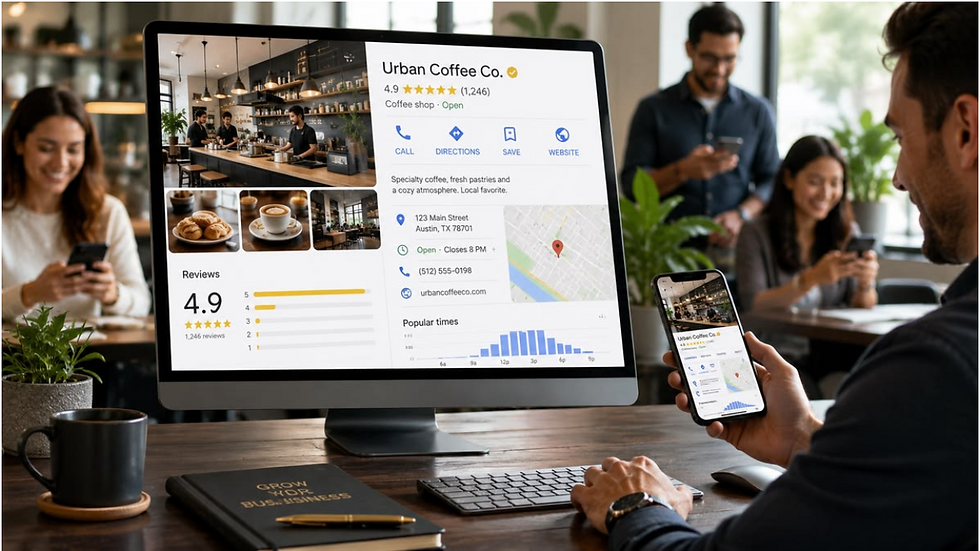
Restaurant SEO helps potential customers discover your location, menu, opening hours, contact information, and dining options.
A complete Google Business Profile, accurate business details, useful website content, and genuine customer reviews can all support local visibility.
For example, a café specializing in breakfast and coffee can create website content that clearly explains its menu, location, and atmosphere. This helps customers decide whether it suits their needs before visiting.
Local SEO is particularly useful for restaurants because customers often make decisions based on convenience, location, and what is available nearby.
4. Real Estate Agencies
Property buyers and renters frequently research locations, prices, property features, and available listings online before contacting an agent.
Real estate agencies therefore have many opportunities to attract potential clients through search.
Real estate SEO can help agencies improve the visibility of property listings, neighborhood guides, buying and selling advice, and relevant service pages.
For instance, an agency could publish a guide explaining what buyers should consider when choosing a neighborhood.
It could also organize property listings into clear categories based on location, property type, and other useful features.
This type of content can attract people at different stages of their property search. Some may simply be researching an area, while others may be ready to arrange a viewing or speak with an agent.
Because property markets can be competitive, useful content and a well-structured website can help an agency stand out from other providers.
5. Healthcare Providers
Patients often search online for clinics, dentists, physiotherapists, and other healthcare providers.
They may want to find a nearby practice, check available services, or understand what to expect before booking an appointment.
Healthcare SEO helps providers make accurate, relevant information easier to find. This may include optimizing service pages, maintaining correct contact details, explaining appointment procedures, and publishing trustworthy educational content.
For example, a dental clinic could create a clear page explaining its available treatments, appointment process, and location.
This helps prospective patients understand whether the clinic offers the services they need.
Healthcare content requires particular care because it can affect people's health decisions. Information should be accurate, responsibly presented, and reviewed by qualified professionals where appropriate.
Strong SEO should improve access to trustworthy information rather than rely on exaggerated claims.
6. Law Firms
People looking for legal assistance often search for specific services, such as family law, business law, estate planning, or employment disputes.
Law firms that explain their services clearly online can make it easier for prospective clients to understand their options.
Law firm SEO focuses on improving the visibility of relevant practice-area pages, location pages, and informative legal content.
For example, a law firm specializing in business law might publish an article explaining common legal considerations when starting a company. Readers who need further assistance can then explore the firm's relevant services.
Legal topics can be complex, so content should be accurate, clear, and appropriately reviewed.
A well-organized website can help visitors find the right information and understand how to contact the firm without making unrealistic promises about outcomes.
7. Hotels and Travel Businesses
Travelers often compare accommodation, destinations, activities, and travel services online before making a booking.
Hotels, tour operators, travel agencies, and holiday rental businesses can use SEO to reach people while they are planning their trips.
Hotel SEO and travel SEO help businesses optimize destination pages, accommodation descriptions, activity guides, and booking-related content.
For example, a tour operator could publish a practical guide to activities available in its destination, explain different tour packages, and provide clear information about what each experience includes.
This content can attract visitors who are still planning their trips, while well-optimized service pages can help people who are closer to booking.
Accurate pricing, availability, and clear booking information also help users make informed decisions.
Since travel demand can change with seasons and destinations, businesses should keep important information current and create content that genuinely helps travelers plan.

8. Educational Institutions
Schools, colleges, training centers, and online learning providers need to help prospective students find information about their programs and admission requirements.
Education SEO can improve the visibility of course pages, application information, fee details, campus information, and educational resources.
For instance, a training center offering digital marketing courses could create separate pages explaining each program, the skills students will learn, the expected duration, and how to apply.
Helpful answers to common questions can also make the decision process easier for students and parents.
SEO can support enrollment by connecting educational institutions with people actively researching learning opportunities.
However, the content should accurately represent qualifications, costs, entry requirements, and the outcomes students can reasonably expect.
9. B2B Companies
Business-to-business companies often sell products or services that require research, comparisons, and multiple decision-makers.
Potential clients may spend considerable time evaluating providers before requesting a proposal or booking a consultation.
B2B SEO helps companies reach decision-makers who are searching for solutions to specific business challenges.
For example, a company offering inventory management software could publish guides about inventory tracking, stock control, and common operational problems. It can then connect those educational articles to relevant product or service pages.
This approach allows a business to attract visitors who are researching solutions and guide them toward useful next steps.
SEO content can support the wider sales process by answering questions, demonstrating expertise, and helping qualified prospects understand the company's offering.
Because B2B sales cycles can be long, success should not be measured by website traffic alone.
Relevant leads, consultation requests, and conversions may provide a clearer picture of SEO's business value.
10. Home Improvement Businesses
Roofers, builders, landscapers, painters, and renovation contractors often serve customers who need a specific project completed.
These customers may search for service providers, compare estimates, and look for examples of previous work.
SEO for contractors and home improvement businesses helps companies become more visible for relevant services and locations.
For example, a roofing company could create pages explaining roof repairs, replacement services, and the types of roofing projects it handles.
Genuine project photos, customer testimonials, and clear service-area information can help prospective customers evaluate the business.
Useful content can also answer questions about project planning, maintenance, and choosing a contractor.
This gives visitors practical information while helping the business demonstrate its experience.
Since many home improvement services are location-dependent, combining service-specific content with local SEO can help businesses reach people who are more likely to need their services.

What Do These 10 Businesses Have In Common
Although these industries are different, they share one important challenge: potential customers use search engines to discover, compare, and evaluate businesses.
SEO helps businesses connect their websites with those searches. Depending on the industry and strategy, this can mean attracting local inquiries, increasing product visibility, generating qualified leads, or helping customers find reliable information.
However, SEO is not simply about adding keywords to a website. Effective optimization also involves helpful content, a technically accessible website, a good user experience, and a clear understanding of what the target audience wants.
Results take time and vary depending on competition, website condition, content quality, and other factors.
Businesses should focus on relevant traffic and meaningful outcomes rather than rankings alone.
Ready to Help More Customers Find Your Business
If your customers are searching online for the products or services you offer, SEO may be an important part of your growth strategy. The right approach depends on your industry, audience, location, and business goals.
At Linx Solutions, businesses can explore digital marketing services, including SEO, to help strengthen their online presence.
Visit the Linx Solutions services page to learn more about the available services and how they may fit your needs.
Your business does not need to be the biggest in your industry to get noticed online. It needs to be visible to the right people, with useful information that gives them a reason to choose you.


Comments