


The Dopamine Effect. Why Scrolling Feels So Good


You open your phone for “just a second.” Maybe to check one message or one notification. Ten minutes later, you’re still scrolling. Then twenty. Then somehow, an hour disappears. Sound familiar?
You’re not lazy. You’re not lacking discipline. You’re experiencing the dopamine effect, a powerful brain response that makes scrolling feel so good and, at times, incredibly hard to stop.
Let’s break it down in a fun, simple way because once you understand what’s happening, your scrolling habits start to make a lot more sense.
What Is The Dopamine Effect
Dopamine is often called the “feel-good” chemical, but that’s only part of the story. It’s actually part of your brain’s reward system, designed to motivate you to seek out things that feel pleasurable or satisfying.
Every time you experience something enjoyable like eating your favourite food, hearing good news, or finding a great post online, your brain releases dopamine. This creates a sense of reward and encourages you to repeat that behaviour.
Now connect that to dopamine and social media, and things get interesting. Scrolling isn’t just a habit, it’s a loop. Your brain starts to associate scrolling with small bursts of reward, making you want to keep going. That’s how scrolling addiction begins to form.
Why Scrolling Feels So Good
So why does scrolling feel so satisfying? It comes down to one key idea: instant gratification.
Every swipe brings something new: a funny video, an interesting post, a relatable meme, or even surprising news. Your brain doesn’t know what’s coming next, and that unpredictability is exciting.
This is known as a variable reward system, and it’s incredibly powerful. It’s the same principle used in games and even slot machines. Because you don’t know what you’ll get next, you keep scrolling in anticipation of the next “reward.”
That’s why endless scrolling psychology works so well. Your brain is constantly chasing the next dopamine hit, and every swipe feels like a chance to find it.

The Infinite Scroll Trap
Have you ever noticed there’s no real “end” to your feed? That’s not by accident.
Platforms use infinite scroll design to keep you engaged. Instead of reaching a stopping point, new content keeps loading automatically, making it easier to continue than to stop.
This design taps directly into social media addiction patterns. Without natural breaks, your brain doesn’t get a clear signal to pause. Instead, it stays in the loop: scroll, reward, scroll again.
Combined with social media algorithms that show you content tailored to your interests, this creates a highly personalised and engaging experience that’s hard to step away from.
How Social Media Knows What You Like
Ever feel like your feed just gets you? That’s because it does, thanks to user behaviour tracking.
Every like, pause, share, or scroll tells the algorithm something about your preferences. Over time, it builds a detailed profile of what keeps you engaged and uses that to show you more of the same.
This is why social media engagement psychology is so effective. The more you interact, the better the content becomes and the harder it is to stop scrolling. It’s not random. It’s designed to keep your attention.
Why We Can’t Stop Scrolling
At this point, it’s not just about enjoyment, it’s about habit. Scrolling becomes part of your daily routine because it’s easy, rewarding, and always available. Over time, this creates a form of behavioural addiction, where your brain starts to expect regular dopamine boosts.
You might find yourself:
Reaching for your phone without thinking
Scrolling when you’re bored, stressed, or tired
Losing track of time online
This is the pleasure-and-reward cycle in action. The more you scroll, the more your brain associates it with feeling good, reinforcing the habit.
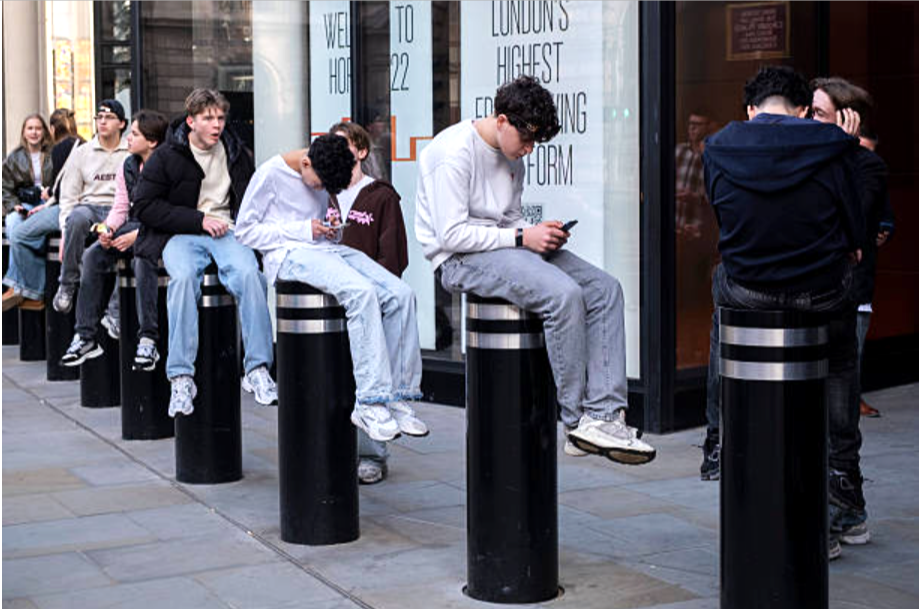
The Downside Of The Dopamine Loop
While scrolling can feel good in the moment, too much of it can have effects you might not notice right away.
Constant exposure to quick rewards can impact your attention span, making it harder to focus on slower, more demanding tasks. It can also lead to increased screen time, reduced productivity, and even feelings of burnout.
This is where digital addiction becomes a concern. When the balance tips too far, what once felt enjoyable can become overwhelming.
Finding A Healthier Balance
The goal isn’t to stop using social media completely, it’s to use it more consciously. Understanding the dopamine effect helps you recognise what’s happening behind the scenes. Once you’re aware of the pattern, you can start to take small steps to manage it.
Simple changes can make a difference:
Taking breaks between scrolling sessions
Setting screen time limits
Being more mindful of when and why you pick up your phone
It’s not about cutting it out, it’s about staying in control.

Final Thought
If you’ve ever wondered, “Why can’t I stop scrolling?” now you know. It’s not just a habit. It’s your brain responding exactly the way it’s designed to, triggered by the powerful combination of dopamine and social media.
Scrolling feels good because it taps into your natural reward system. But like anything rewarding, balance is key. So next time you find yourself deep in the scroll, pause for a second and ask yourself:
Am I enjoying this or just chasing the next dopamine hit?


Comments